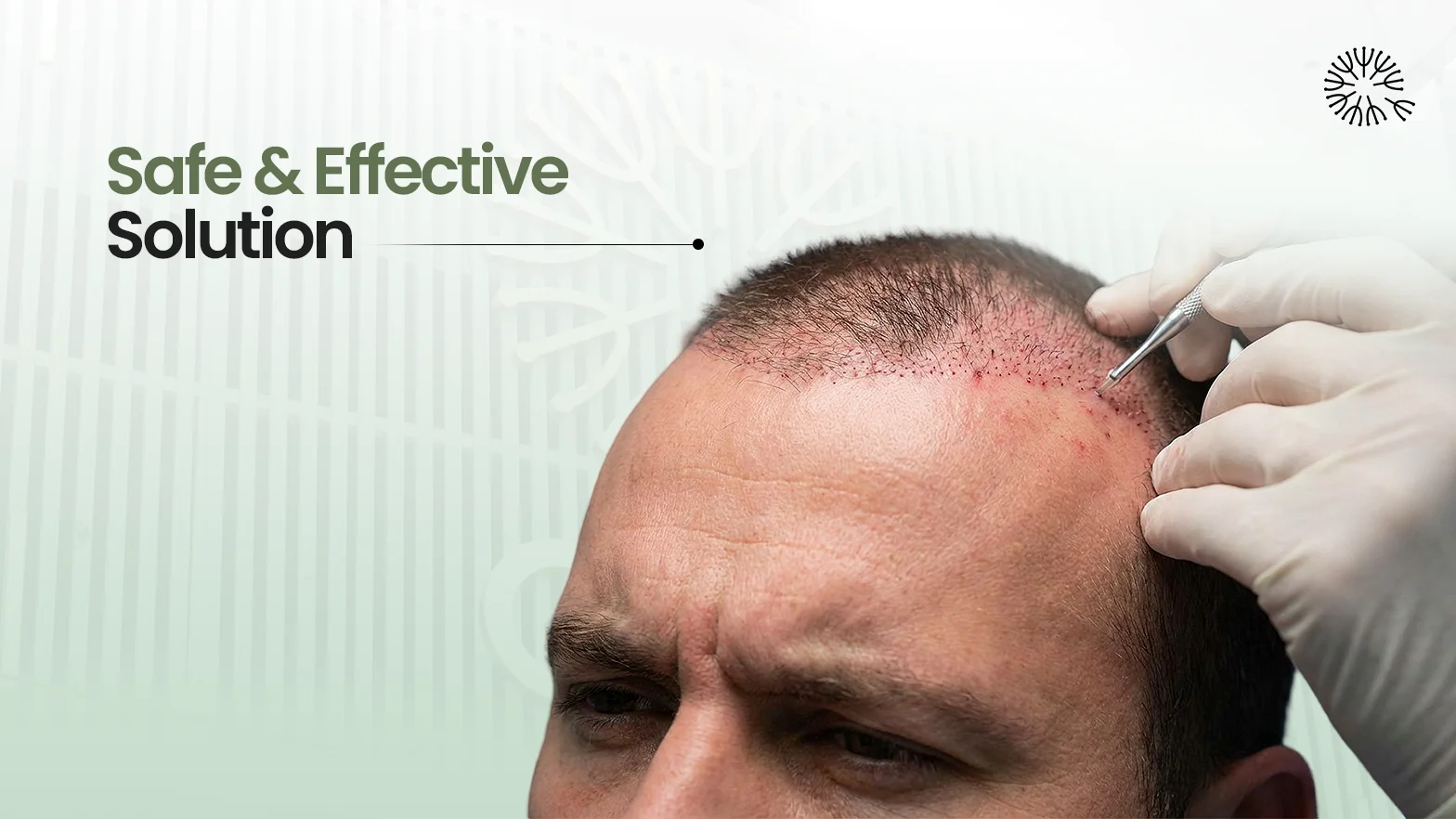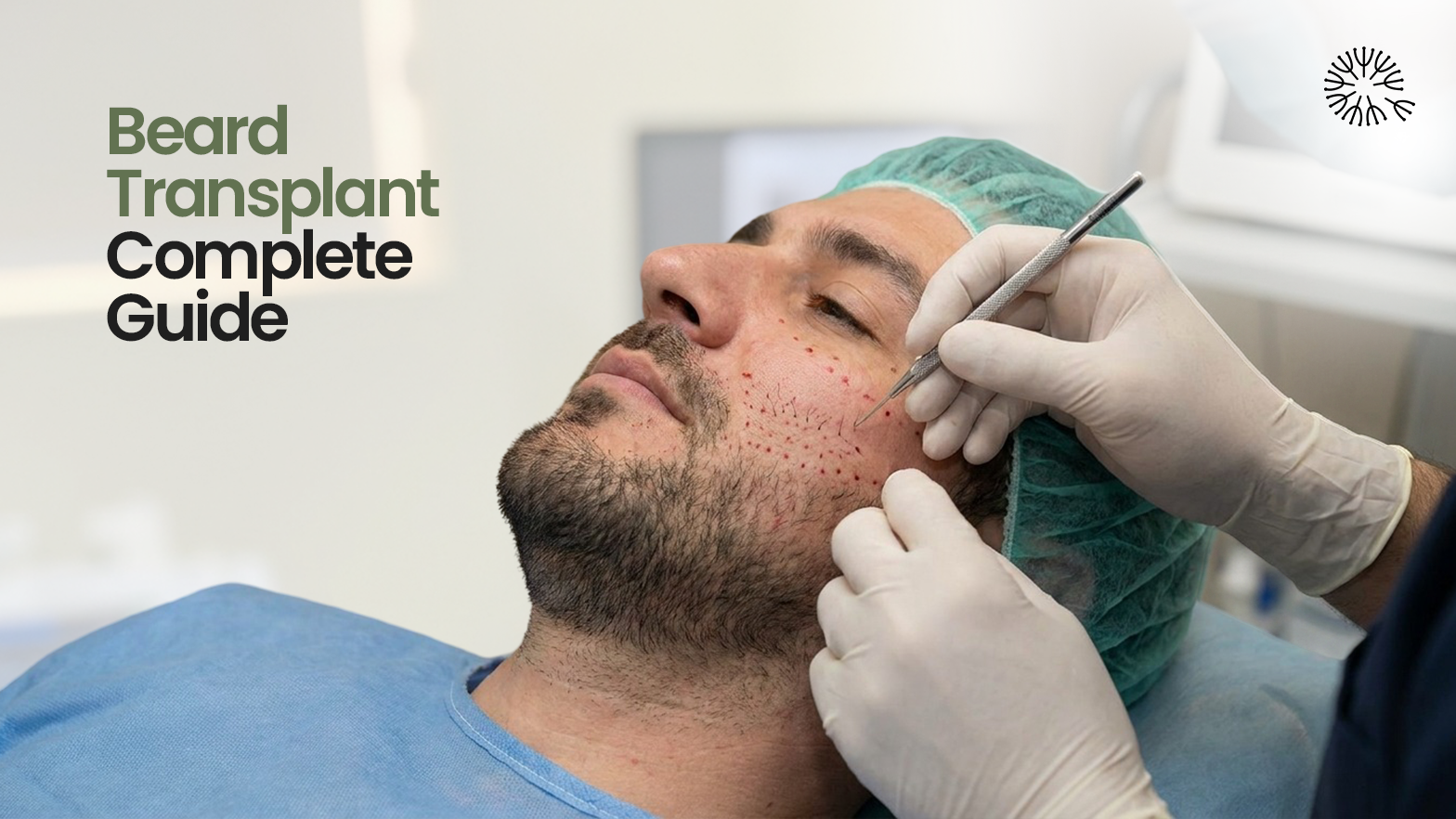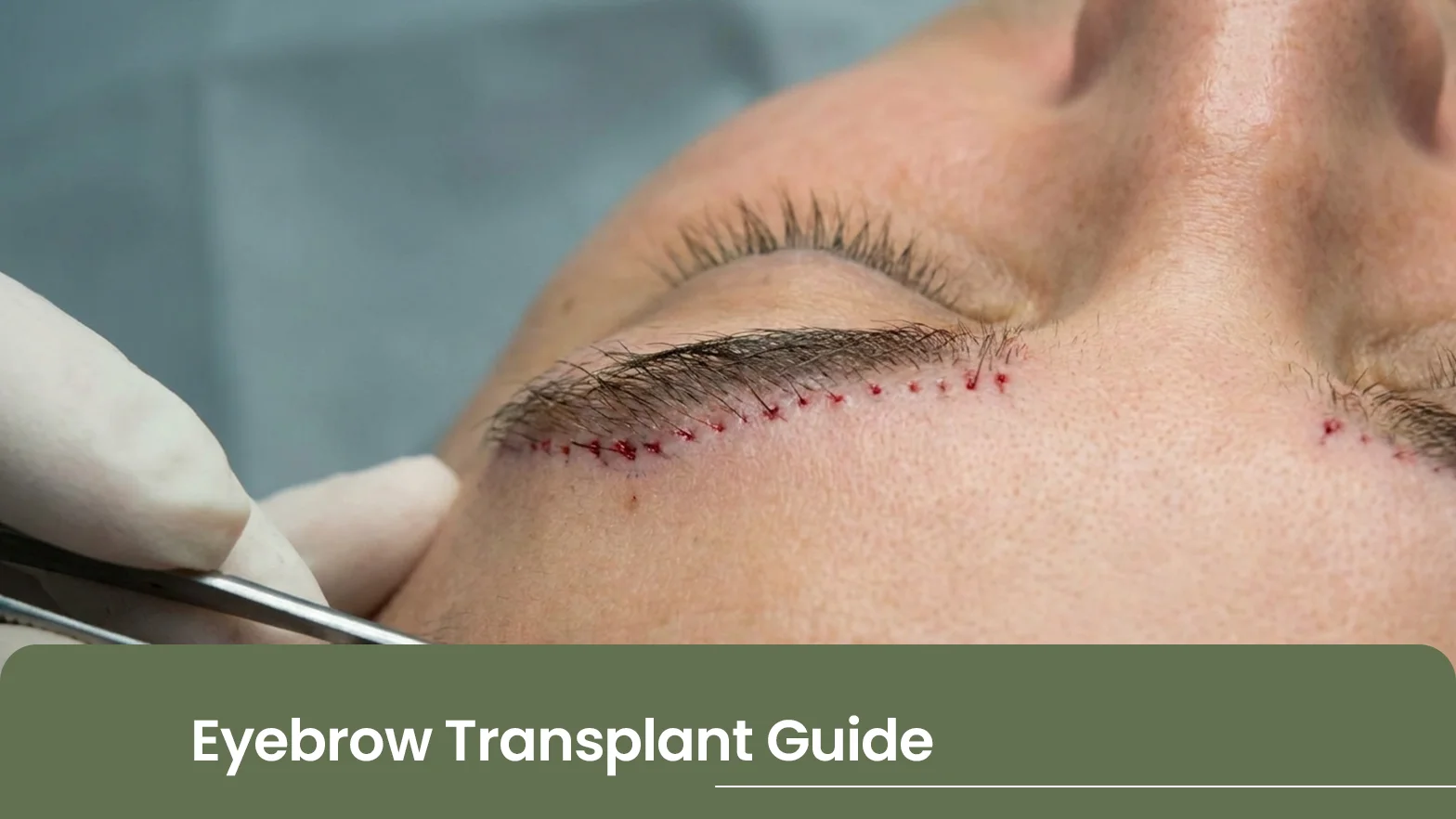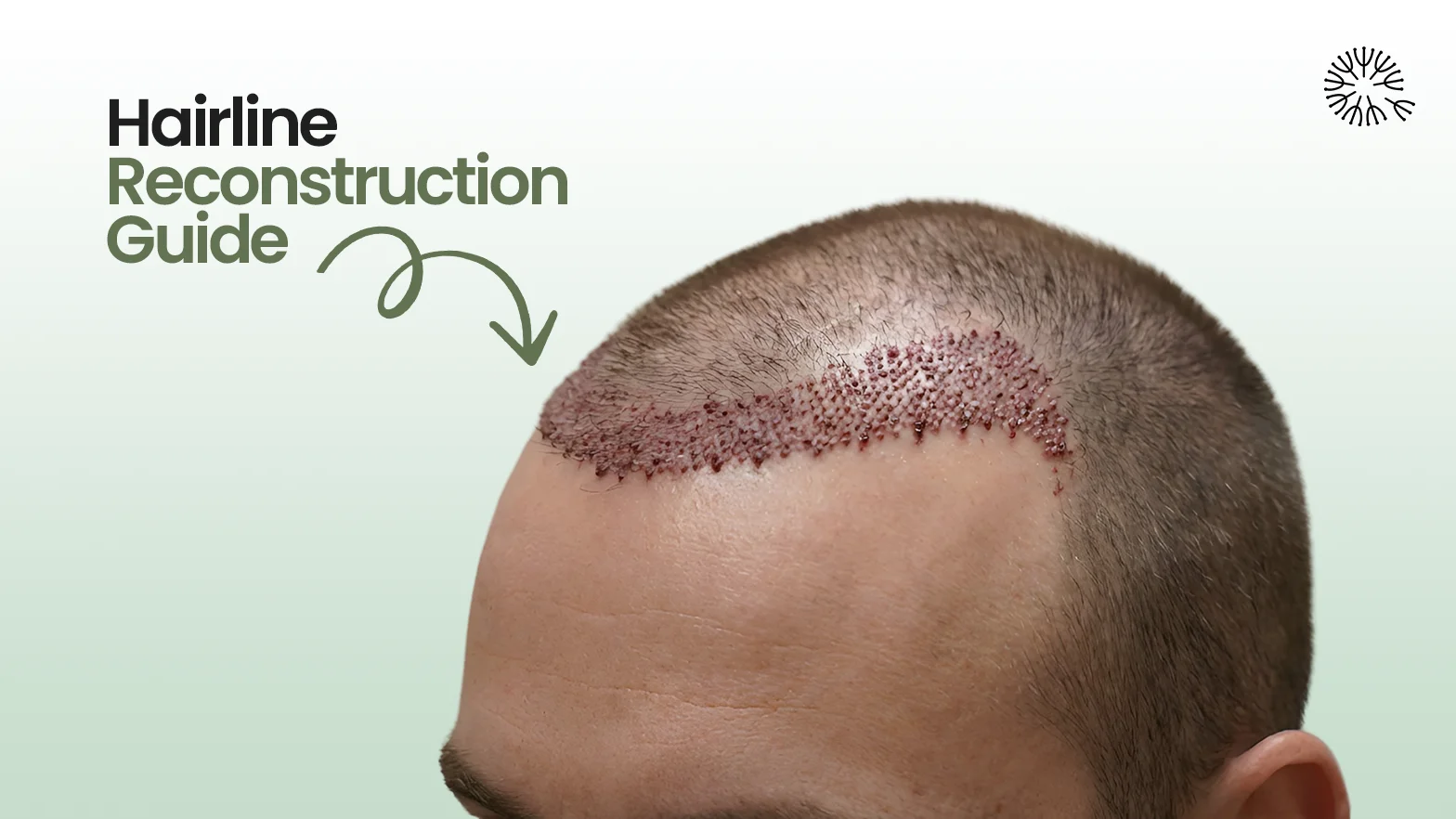




India vs Turkey Hair Transplant: Cost, Safety and How to Choose
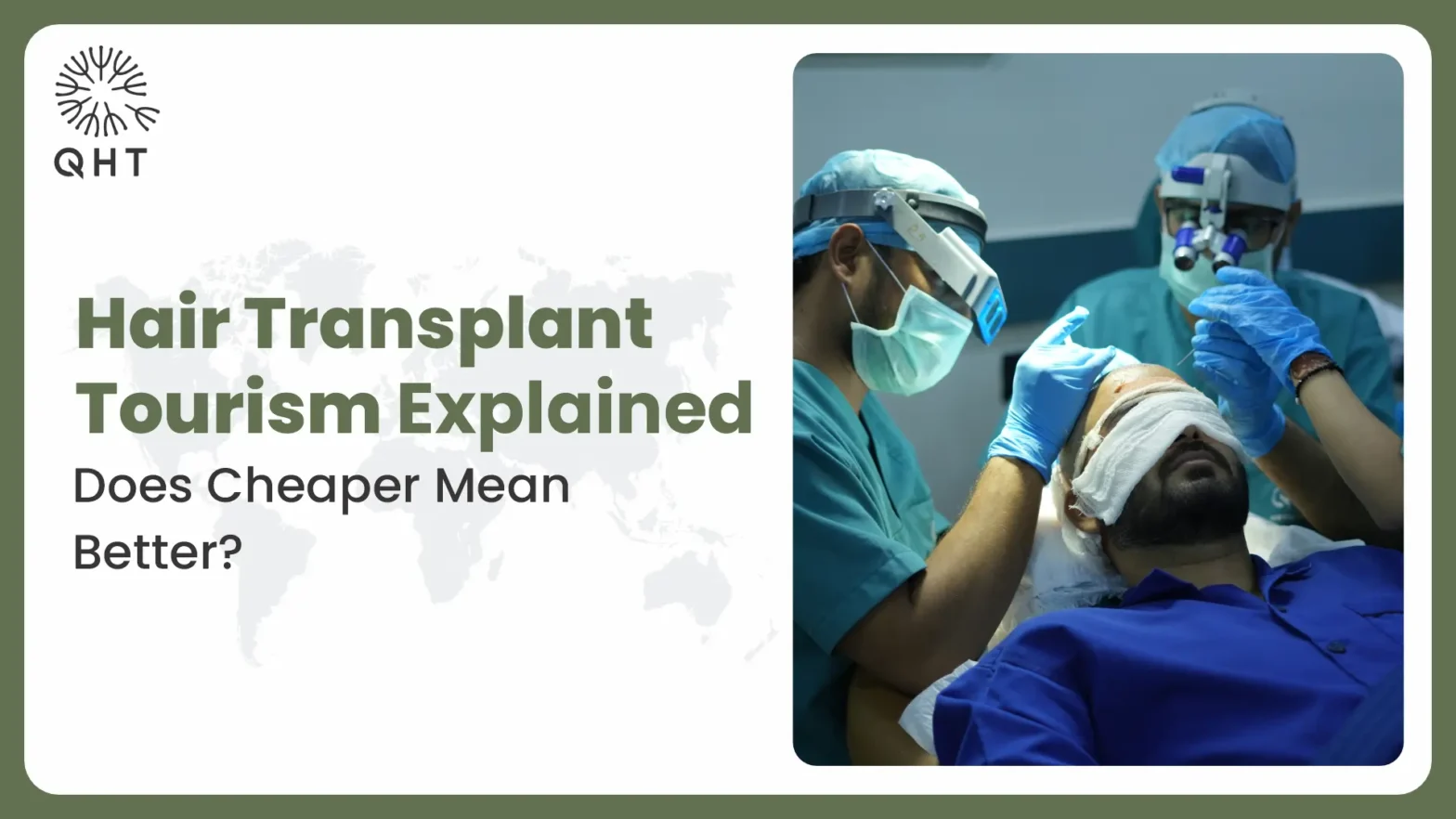
Scroll your phone for a minute and a Turkey hair transplant ad will probably find you. Before-and-after reels, all-inclusive packages, hotel and airport pickup folded in. Maybe a friend already flew out and came back with a fuller hairline. So you start comparing: India or Turkey, which is better?
Wrong question. The country on the brochure does not decide your result. The surgeon holding the punch does, along with the care you get once you fly home. That is true in Istanbul, in Delhi, and everywhere in between.
Public health data backs this up. The CDC reports that millions travel abroad for medical care each year, and that the most common complication afterward is infection. That does not make a hair transplant abroad unsafe. It changes what you should be asking before you book.
The question patients ask us most after a week of Turkey research is blunt: should I just fly? Our honest answer is that the country is the wrong thing to be deciding first.
Most people begin an India vs Turkey hair transplant search with one simple question. Which one costs less? Turkey looks cheaper at first glance, and many clinics there fold your stay and transfers into a single package. India starts at a lower base price.
It also keeps you near your surgeon for follow-ups, with no real language barrier for most patients. Still, the real deciding factors are not on the price banner. They sit in the fine print. This guide walks through that fine print one section at a time, starting with a clear cost comparison and moving to the question that matters most: who actually does the work during your procedure.
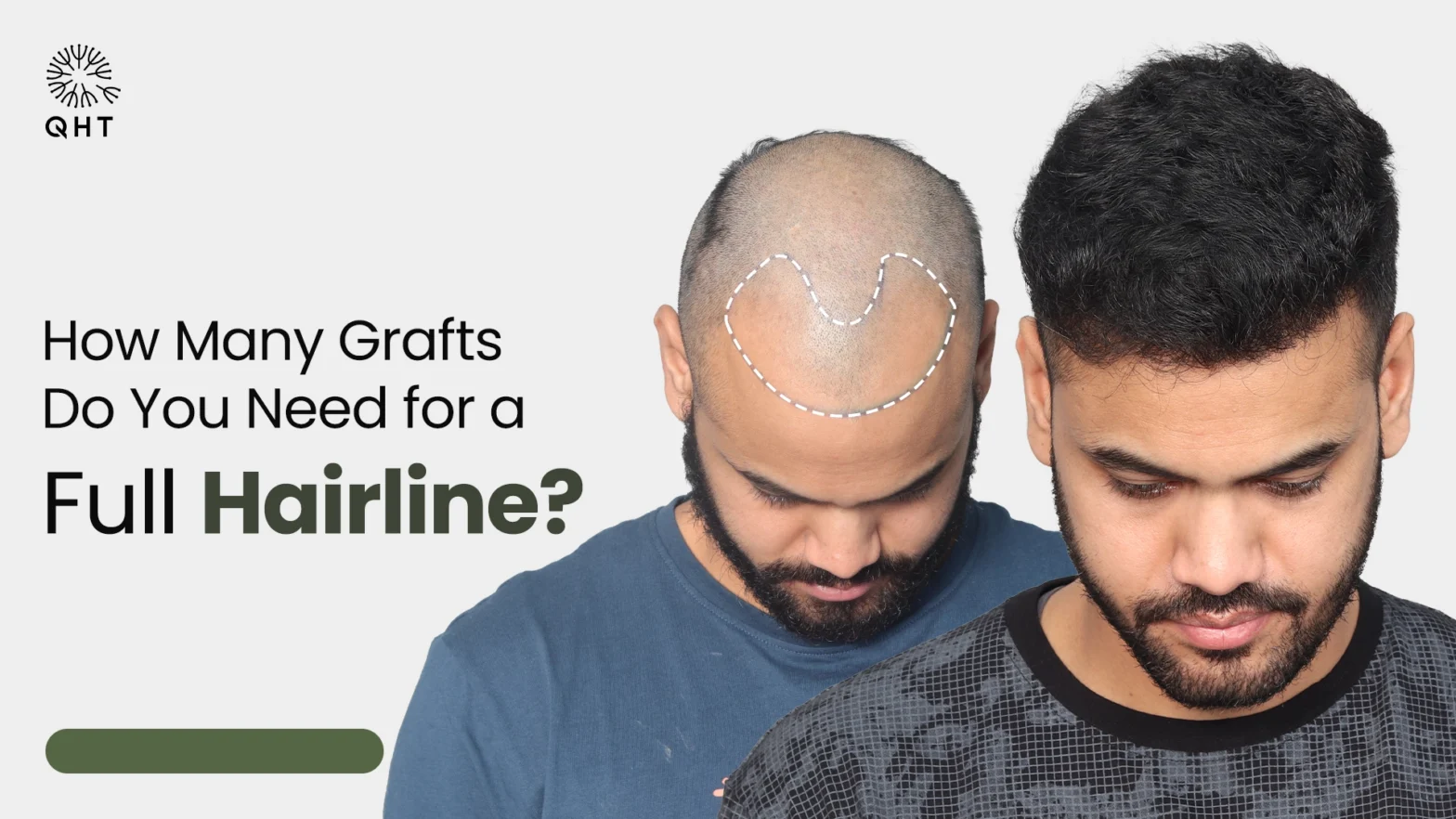
Before you compare quotes, it helps to know your actual graft count. A QHT Clinic can assess your scalp and give you an honest estimate.
Quick Answer Box
India vs Turkey Hair Transplant: Quick AnswerA hair transplant costs far less in India or Turkey than in the US or UK. India starts at a lower base price, with surgeon-led care and no language barrier. Turkey bundles the hotel and transfers into one package. Your best pick depends on budget and travel plans.
|
India vs Turkey Hair Transplant at a Glance
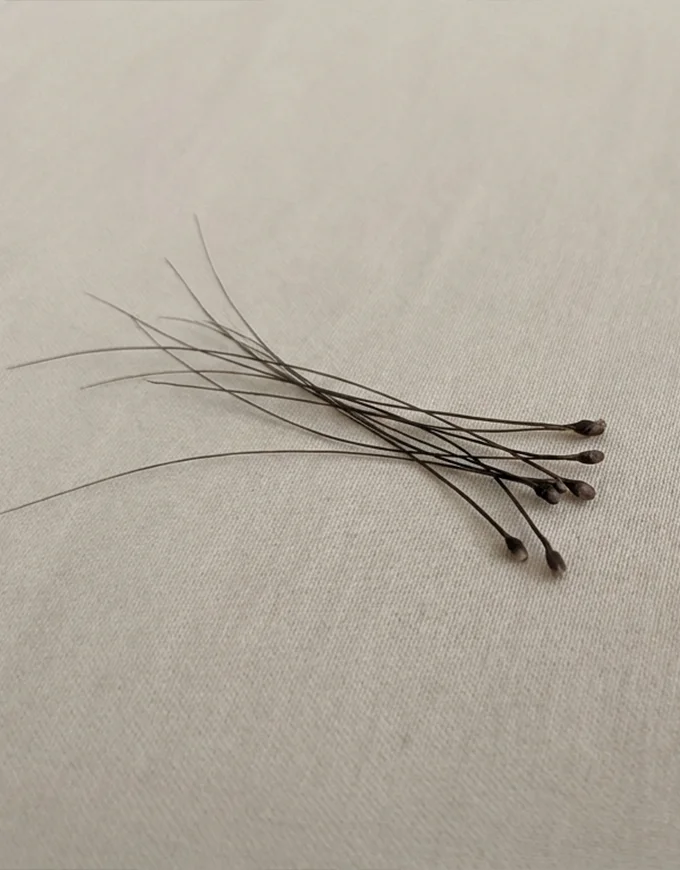
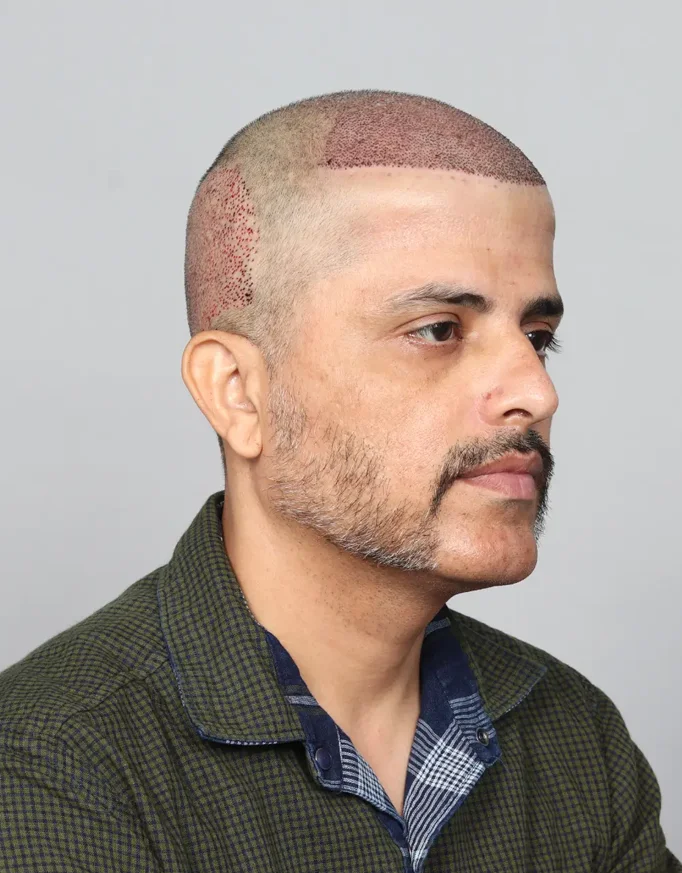
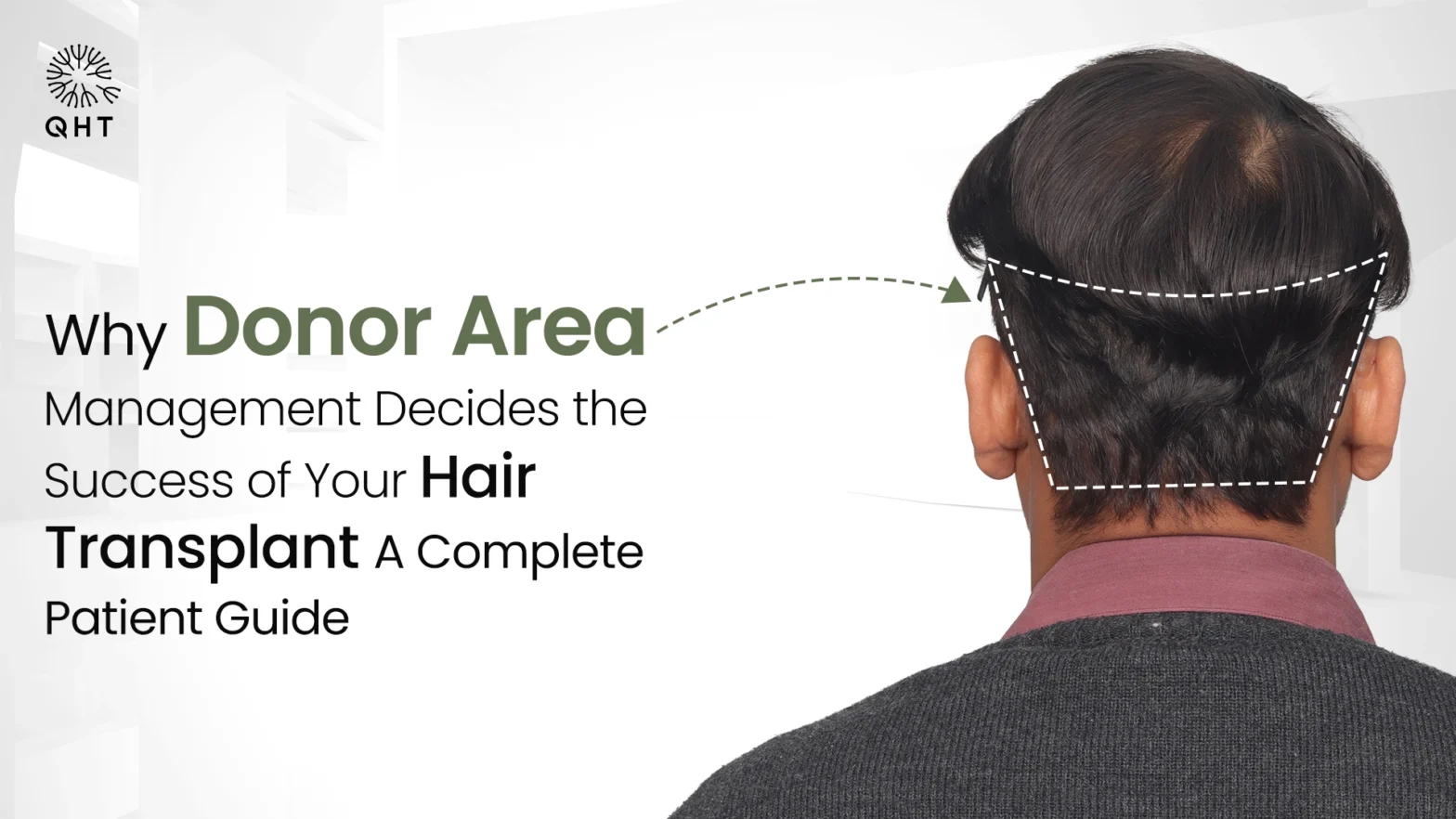
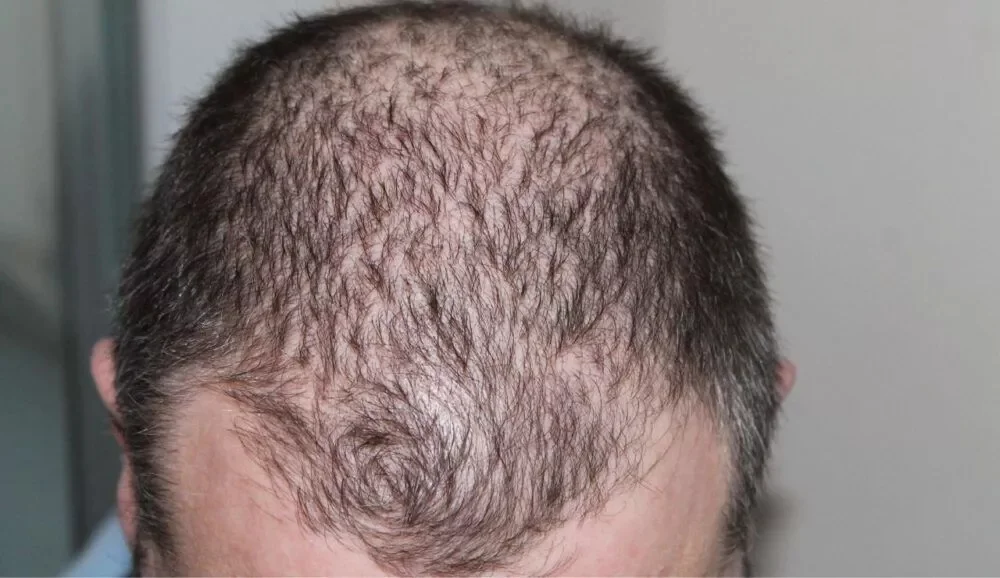
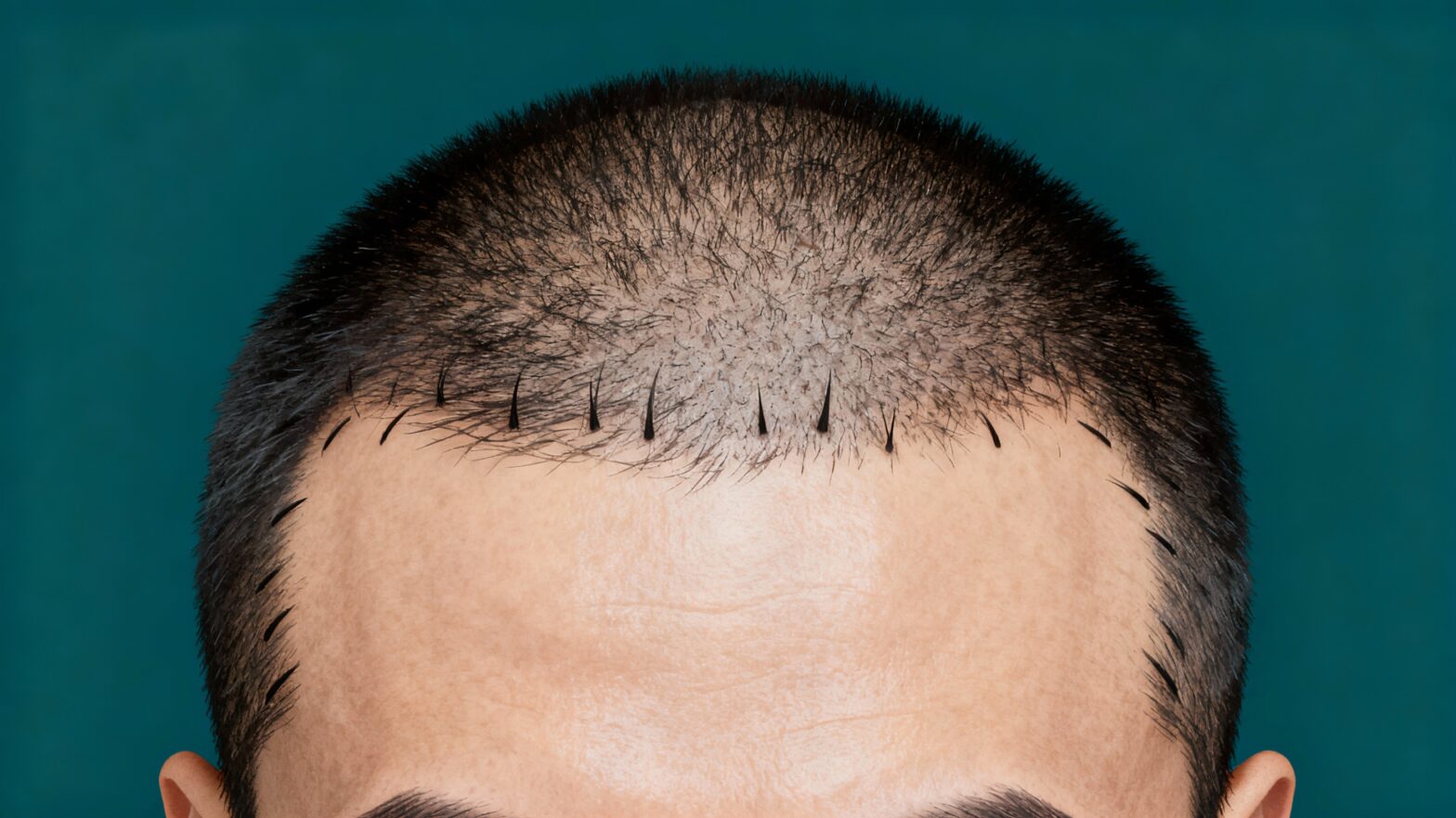
Before you weigh one country against the other, it helps to know what does not change between them. A hair transplant moves healthy follicles from the back of your scalp to the thinning zone on top. The hair at the back resists the hormone behind pattern baldness, which is why transplanted hair keeps growing for years.
Your scalp carries roughly 100,000 to 150,000 follicles in all, and a surgeon relocates only a small share of them. So the core operation looks similar whether you book in Delhi or Istanbul. The real differences sit around the surgery, not inside it.
Cost is one piece, but the bigger questions are who actually performs the procedure and what kind of follow-up you can count on afterward.
| Factor | India | Turkey |
| Cost basis | Priced per graft, base from around $800 | One all-inclusive package, from around $1,500 |
| What the price covers | Surgery and consultation, with hotel and transfers arranged through the clinic | Package often bundles hotel, transfers, and sometimes medicines |
| Who performs the surgery | Surgeon-led at clinics like QHT | Varies by clinic, and at some high-volume centres technicians handle parts of the work |
| Language | English is widely spoken, so most patients need no translator | A translator is included in the package |
| Aftercare access | In-person follow-up if you are nearby, plus remote support after you return | Mostly remote follow-up once you fly home |
| Travel | Little or no international travel for patients in India or the region | An international flight for most patients |
Some clinics abroad charge extra for follow-up care on top of the base price, so a low headline number can climb once aftercare is added. Then there is travel straight after surgery. Sitting still for hours on a flight, soon after a procedure, can raise the risk of blood clots, which is worth planning around no matter where you go.
Cost Comparison: India vs Turkey
Cost is the first thing every patient compares. Let’s do it honestly. The honest version is less tidy than the ads suggest.
At QHT, a hair transplant in India starts from around $800. In Turkey, prices start from around $1,500, with the hotel and transfers folded into one package. At first view India looks cheaper, and on the base price it often is. Still, the base price is rarely the full price.
Turkey’s package keeps budgeting simple, because much of your trip sits inside a single figure. India quotes the surgery on its own, and then you add your stay and travel on top. For someone already living in India, those extras are small or close to zero. For someone flying in, they change the math. So, is a hair transplant cheaper in India or Turkey? On the base procedure, India starts lower. Once an overseas patient adds flights and a hotel, the gap narrows.
If you are checking the hair transplant Turkey cost in Indian rupees, that starting package of about $1,500 lands near ₹1.25 to ₹1.3 lakh at current exchange rates, before your international flight. Against far-off countries, both options look modest.
For the full per-graft breakdown, including how the cost per graft in India and Turkey compares, see our India cost guide at hair transplant cost in India page. The point of any India vs Turkey hair transplant choice is simple: compare the total you will actually pay, not the lowest number on the banner.
Which Techniques Each Country Uses
The method matters more than the map. Both countries use the same core techniques, so the real question is which ones a clinic leans on and how well its team performs them.
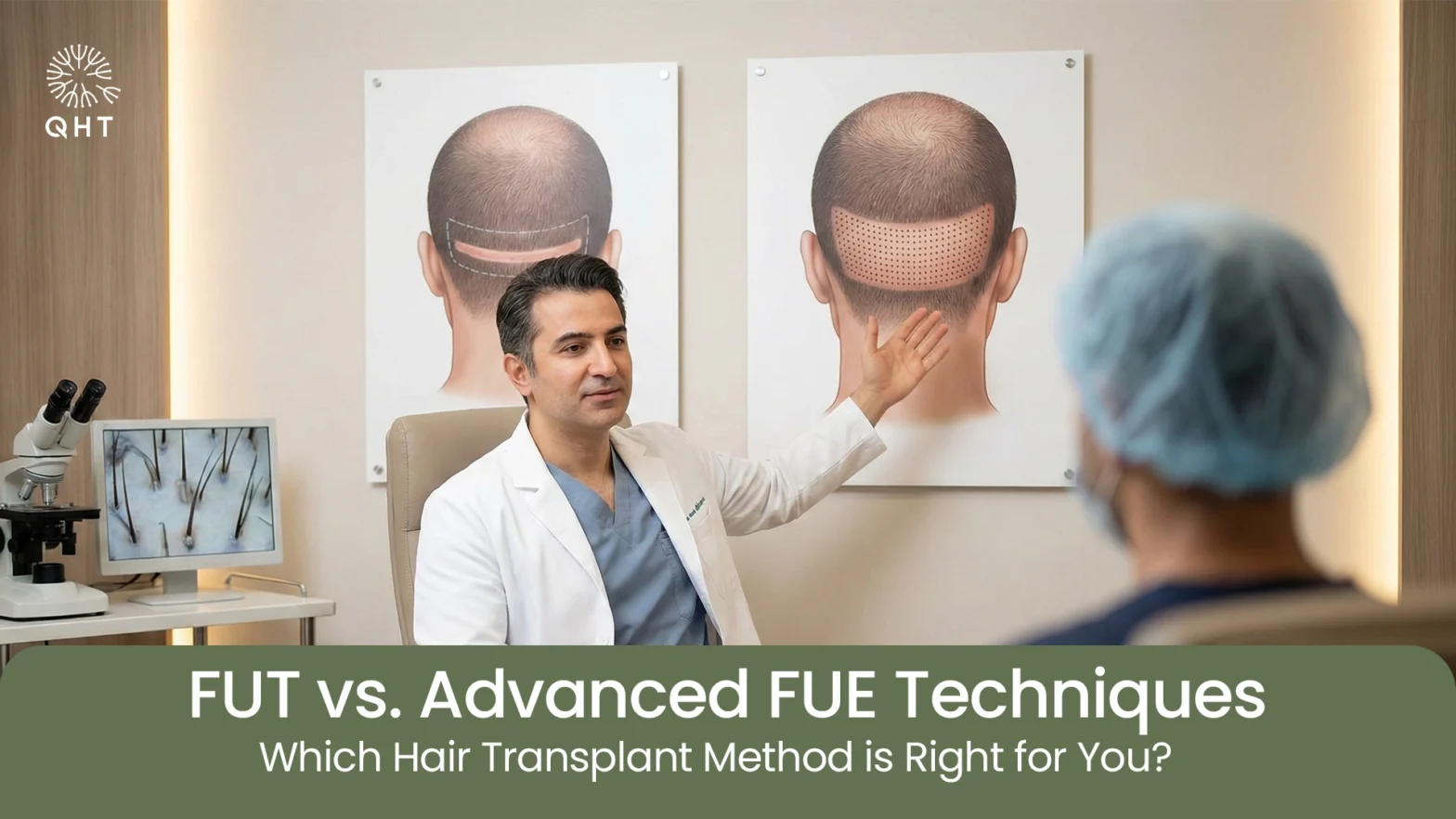
Follicular unit extraction, or FUE, is now the most widely used method in both India and Turkey. It removes follicles one at a time, which avoids the long line scar that older strip surgery leaves behind. Surgeons treat a transection rate of about 5% as acceptable during extraction, so the skill at this step is what separates a clean result from a patchy one.
The older method, follicular unit transplantation or FUT, removes a strip of scalp and divides it into grafts. It does leave a thin line scar. In exchange, it can produce a large number of grafts in one session and tends to give a slightly higher graft survival rate, which is why some surgeons still prefer it for advanced baldness.
Indian clinics commonly offer FUE, FUT, Sapphire FUE, and DHI. QHT Clinic also uses its own branded method, called Quick Hair Transplant. Turkey built its name on very high procedure volume, with Istanbul clinics running many cases a day. The techniques there are mostly FUE, Sapphire FUE, and DHI. That volume gives some Turkish surgeons wide experience. It can also mean technicians handle parts of the procedure at busier clinics, which loops back to the earlier point: ask who handles each step before you book.
In the end, the label on the technique matters less than the hands using it. The right method depends on how advanced your hair loss is and how much donor hair you have, matched to the result you are after. A skilled surgeon picking the correct approach for your case beats a fancy name chosen for the brochure.
Surgeon vs Technician: Who Performs Your Procedure
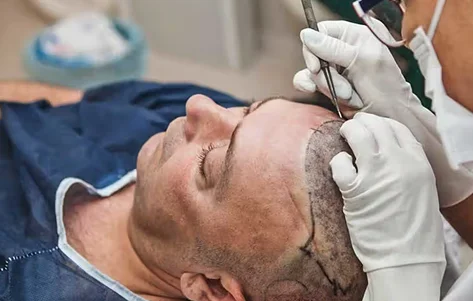
A hair transplant is rarely a one-person job. The standard team pairs a surgeon with trained hair technicians, and that setup is normal in good clinics everywhere. A typical procedure uses one to four technicians. The exact number depends on the method and on how much the surgeon chooses to do personally. Technicians often help prepare the grafts and place them into the scalp.
We have had patients fly back from Turkey for revisions. The pattern is almost always the same: extraction handled by a technician at a high-volume clinic, with the surgeon barely in the room. That is the variable that matters, and it is the one the brochure never mentions.
So the real question is not whether technicians are involved. It is how far your surgeon stays involved in the steps that decide your result.
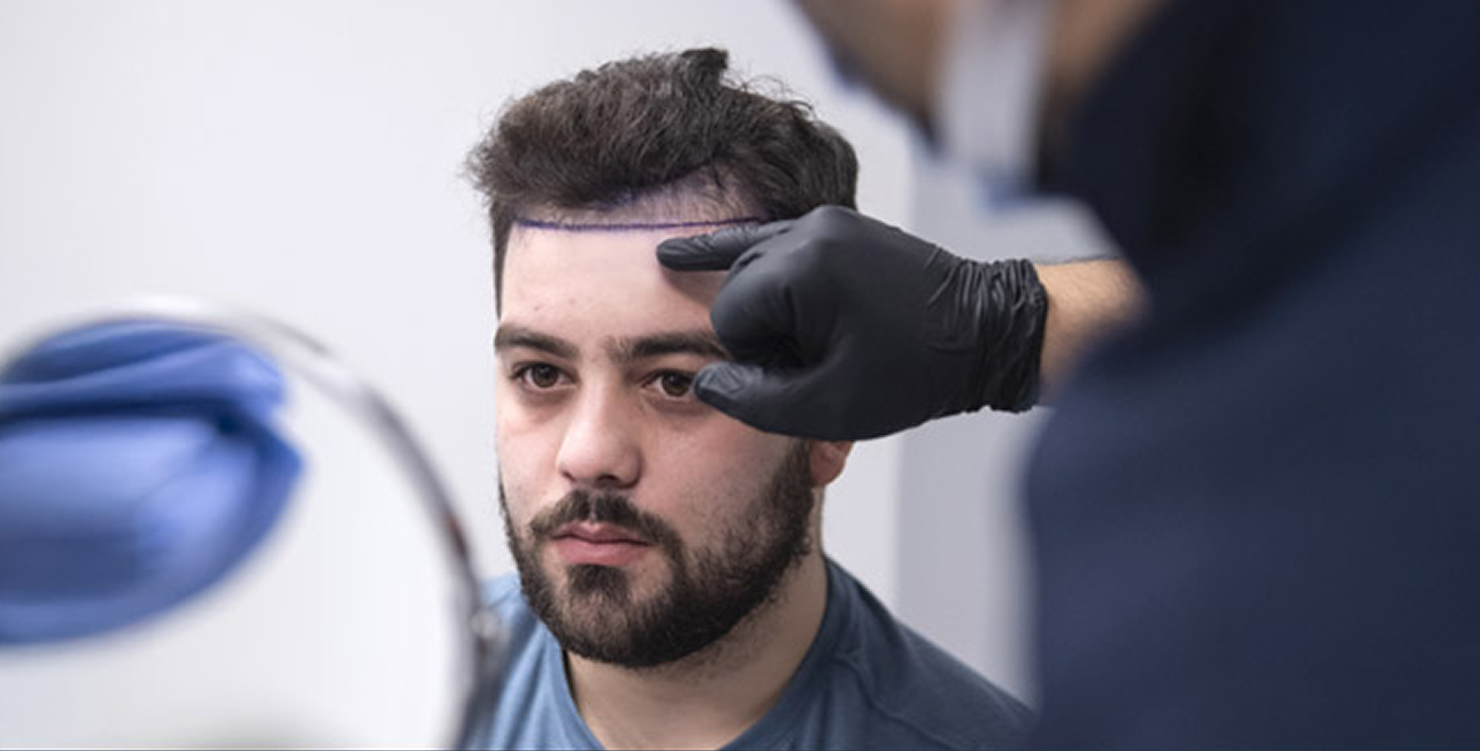
Two steps carry the most weight. One is harvesting the follicles from the donor area without damaging them. Surgeons treat a transection rate of about 5% as acceptable, which shows how fine the margin really is. A heavy hand here wastes grafts you cannot get back. The second step is designing the hairline and setting each graft at the right angle and depth. Get that part wrong and the result can look off, even when the grafts survive.
At a busy, high-volume clinic, a surgeon may map the plan and then pass most of the cutting and placing to technicians. A doctor-led clinic keeps the surgeon hands-on through the stages that matter most. Neither model is automatically unsafe. The difference shows up in the result, and in who answers for it if something goes wrong.
This is where your homework pays off. The clinic marketing pages do not always list the real credentials of the people doing the work. It also reminds patients that accreditation on its own does not guarantee a good outcome. So before you book anywhere, ask plain questions. Who performs the extraction, a surgeon or a technician? At what point does the surgeon step in or step back? How many cases does the team run in a single day? A clinic that is proud of its answers will give them without hedging.
QHT Clinic follows a surgeon-led model, with the surgeon involved through the key stages of the procedure. If you want to know exactly how that would work for your case, a consultation is the quickest way to get clear answers before you compare clinics.
Safety, Accreditation and Standards
Both India and Turkey have strong hospitals and skilled surgeons, and both also have weaker operators chasing volume. The standard you actually get depends on the place you walk into, not the flag on the building.
The CDC makes this point plainly. It notes that quality of care, including infection control, can vary widely from one place to the next when you travel for treatment. It also reminds patients that accreditation on its own does not guarantee a good outcome. So a certificate on the wall is a starting point, not a promise.
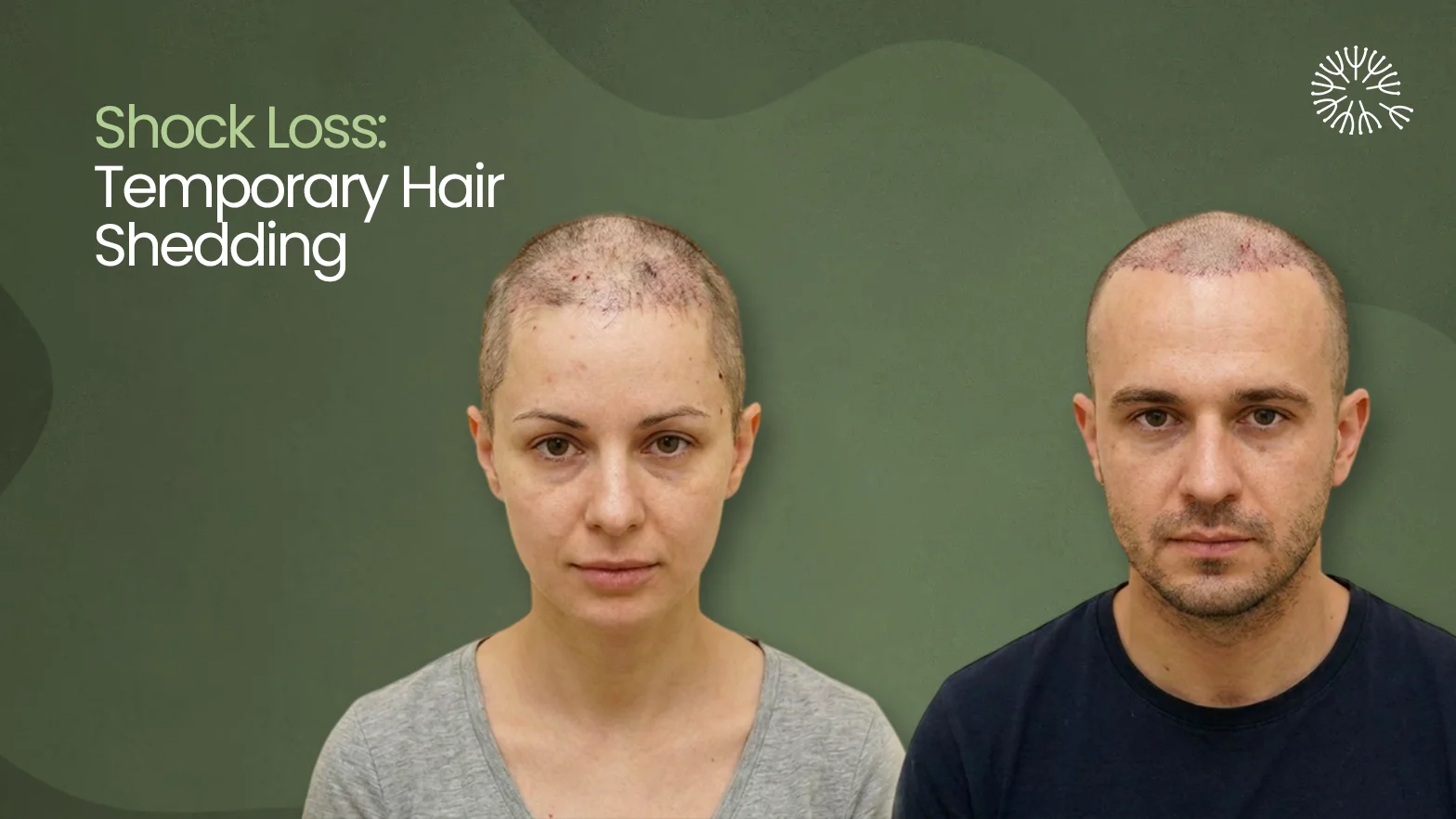
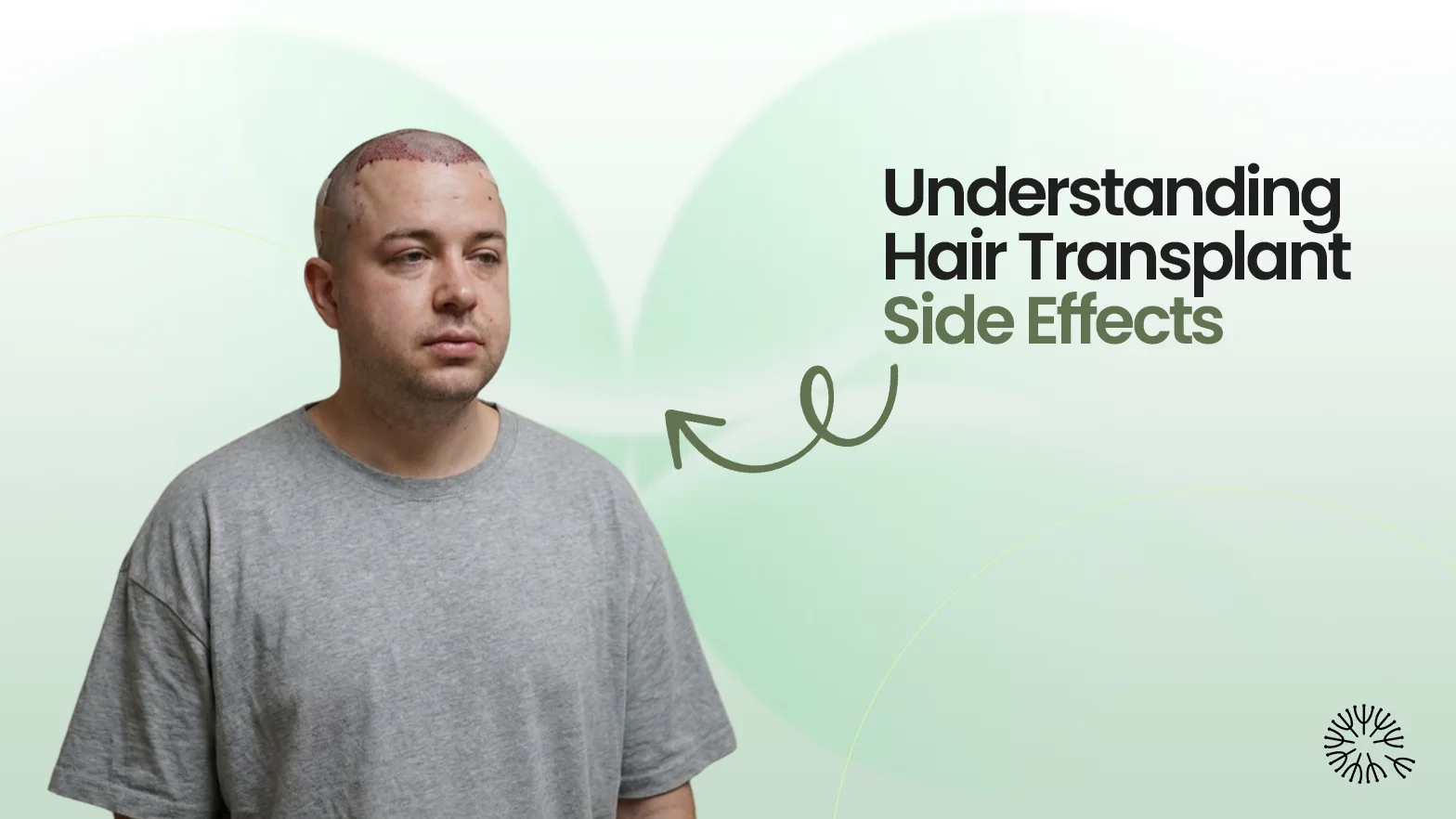
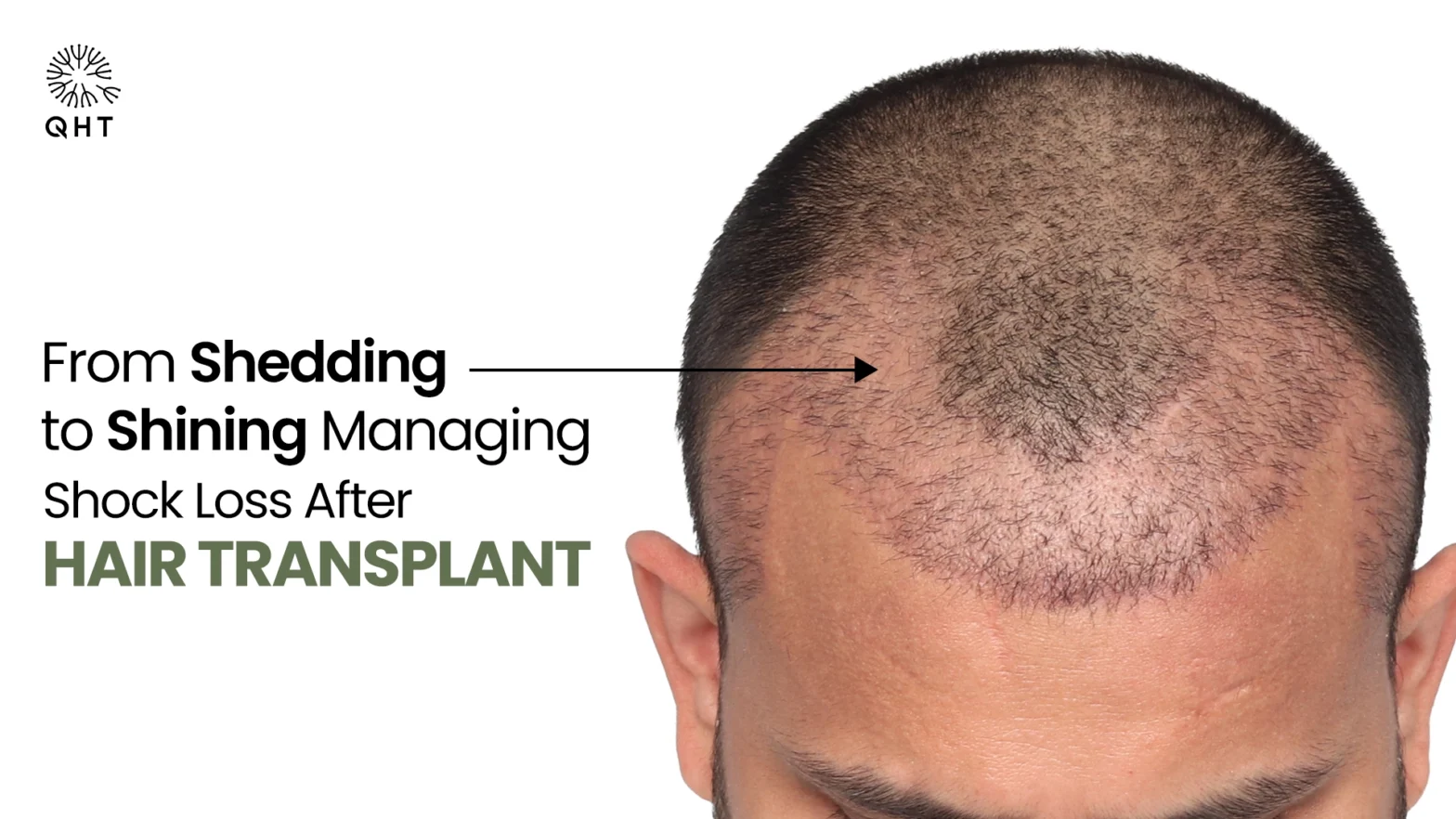
The risk to watch is infection, which the CDC lists as the most common complication among people who travel abroad for care. A hair transplant carries the usual surgical risks too. Infection, bleeding, scarring, and temporary shock loss among them, where some of your existing hair sheds for a few months before regrowing. None of this should scare you off. It should push you to judge the clinic on how it handles sterile technique and follow-up, in either country.
Travel, Language and Aftercare
Turkey’s strength is the packaged trip. Many clinics bundle your hotel, transfers, and a translator into one booking, which removes a lot of planning. India’s strength is closeness and clarity. English is widely spoken, so most patients explain their concerns to the surgeon directly, with no interpreter in the middle. If you live in India or nearby, you also stay within reach of your clinic for in-person checks, rather than managing every follow-up by video after a long flight home.
QHT Clinic is set up for both local and international patients. The process starts with a pre-arrival consultation online, so your plan is ready before you land. On the ground, the clinic arranges airport pickup and drop, helps with accommodation, and provides a translator for patients who do not speak English. Most international visitors plan for a stay of about five to seven days, which covers the consultation, the surgery, and early recovery. After you return home, QHT continues follow-up support remotely. You can see how this works on the medical tourism page.
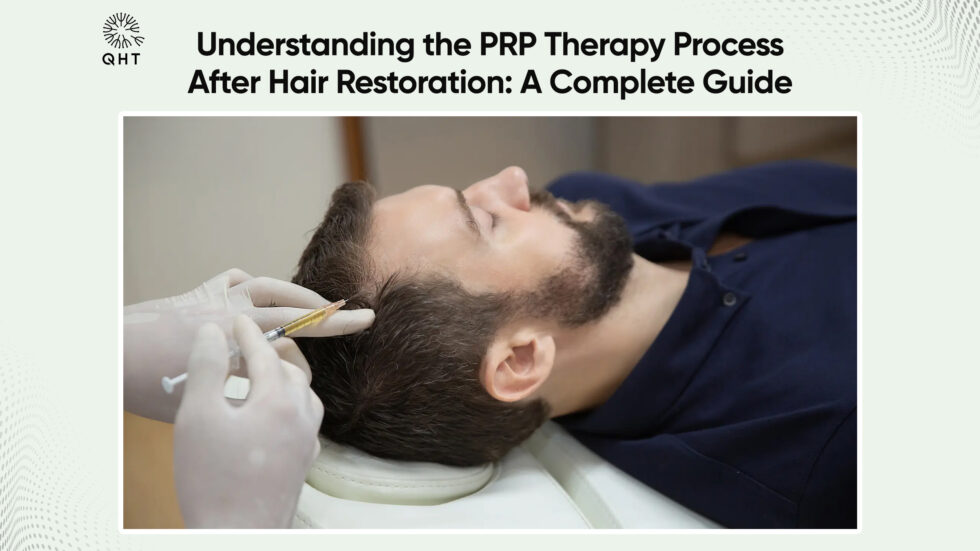
Aftercare is not always just rest and washing. At QHT, some patients add PRP sessions or a URoots hair-care routine alongside the procedure, to support the existing hair while the transplant settles. Whether either is useful depends on your case, and the surgeon advises on it at consultation.
Should You Choose India or Turkey?
There is no single winner in the India vs Turkey hair transplant debate. The better question is which one fits your priority. Match yourself to the block below.
- If budget is your top concern: India’s base price often starts lower, and a local patient skips international travel altogether. Turkey is competitive once its package is counted in full, so compare the total, not the headline.
- If clear communication matters most: India gives you English-speaking surgeons and direct conversation, with no translator standing between you and the person doing the work. That can make a real difference when you describe the hairline you want.
- If surgeon access is the deciding factor: A doctor-led clinic that keeps the surgeon hands-on, and stays reachable for follow-up, is easier to manage when you are not flying across borders for every review.
- If travel distance drives the choice: For patients in or near India, India means a short trip and easy in-person checks. For someone in Europe or the Middle East, Turkey may simply be closer.
Most people are weighing two of these against each other, budget against surgeon access. If you are not sure which way your case leans, a consultation with a QHT surgeon can give you an honest graft estimate and a clear plan before you commit anywhere.
Questions to Ask Any Clinic Before You Book
A good clinic answers hard questions without flinching. Use this short list with any clinic you consider, in India, Turkey, or anywhere else. Patients ask facilities exactly this kind of question before agreeing to care abroad.
- Who performs the extraction, a surgeon or a technician?
- Who designs the hairline and sets the graft angles?
- How many cases does the team run in a single day? High volume can mean less surgeon time on your case.
- What transection rate does the team work to?
- What graft survival can I expect for my case?
- What does the quote cover, and what gets added later?
- What happens if I need a revision?
- Who do I contact after hours if something goes wrong once I am home?
Conclusion
So, India or Turkey? For most people, neither country wins the India vs Turkey hair transplant question outright. The smarter move is to compare clinics, not flags. Ask who actually does the cutting and placing, and what a quote really covers once aftercare is added.
If you are leaning toward India, QHT is worth a closer look. The team has carried out more than 15,000 surgeries. Every graft is checked under 10X magnification, and placement uses the SAVA implanter for tighter control over the angle and depth of each one.
The model stays surgeon-led, so the person planning your hairline is involved in the steps that shape the result. None of this guarantees a flawless outcome. No honest clinic can promise that. What it does mean is that the surgeon you meet at consultation is the same surgeon designing your hairline on surgery day. Not a technician. Not someone you’ve never met.
Frequently Asked Questions
Who performs the extraction, a surgeon or a technician?
At a surgeon-led clinic, the surgeon does the extraction, or stays hands-on through it. At many high-volume centres, trained technicians handle most or all of it after the surgeon maps the plan. Neither is automatically unsafe, but extraction is one of the two steps that decide your result, so you want to know exactly who is doing it before you book. A clinic confident in its model will answer this without hedging.
Who designs the hairline and sets the graft angles?
This should be the surgeon, full stop. Hairline design and graft angle are where artistry and the natural-looking result live. Get the angle wrong and the hair grows in the wrong direction even when the grafts survive. If the answer is “a technician,” that’s worth a hard second look.
What graft survival can I expect for my case?
A straight question deserves a straight, honest range, not a guarantee. Survival depends on graft handling, time out of the body, and your own donor quality, so any clinic promising a flat high percentage for everyone is overselling. A good answer explains the factors and gives a realistic range for a case like yours, while being clear that no one can promise a specific number.
What does the quote cover, and what gets added later?
Ask for the total, not the headline. Find out whether the price covers the surgery only, or also consultation, medication, post-op reviews, and follow-up. Overseas packages often bundle hotel and transfers; per-graft pricing often doesn’t. The low banner number means nothing until you know what climbs on top of it.
What happens if I need a revision?
Some grafts may not survive, and some patients want a top-up later, so revision is a normal part of the conversation, not an insult to the clinic. Ask whether revisions are included, discounted, or full price, and on what timeline. A clinic that has thought about this answers calmly. One that gets defensive is telling you something.
Who do I contact after hours if something goes wrong once I am home?
This is the question that separates a packaged transaction from real aftercare, and it matters most for anyone flying home after surgery. Ask for the specific point of contact, the channel, and the response time, not just “we offer follow-up.” Infection is the most common complication for people who travel for care, and it doesn’t keep office hours. You want to know the answer before you need it.
Book a Consultation Today
Latest Videos
-

Rajpal Yadav | Bollywood Actor Hair Transplant Journey at QHT Regrow Clinic Haridwar
Click to Watch
-

FUE Hair Transplant Results | DAYA's FUE Hair Transplant Results
Click to Watch
-

Best Hair Transplant Result 2021 || NW Grade VI A || 3,422 Grafts
Click to Watch
-
Best Hair Transplant Result 2022 | Grade 4
Click to Watch
-

YouTuber Mehtab Saifi Hair Transplant
Click to Watch
-

ACP Pradyuman Hair Transplant - Actor's Hair Transplant
Click to Watch