

Selecting the right clinic for a hair transplant is one of the most important decisions and goes beyond comparing prices. A hair transplant is a permanent surgical procedure, and the treatment outcomes are influenced by the surgeon's expertise, clinical protocols, surgical planning, graft handling, and post-operative care.
At QHT Clinic Kolkata, every treatment plan is customised according to your hair loss stage, pattern, donor capacity and long-term expectations.
Ensure that procedures are performed by surgeons and not delegated to technicians or unqualified personnel. Experienced surgeons deliver natural-looking results consistently.
Advanced techniques like FUE and QHT allow speedy recovery with minimal scarring. The selection of the ideal technique depends on Norwood grade, donor density, and desired coverage.
A reliable hair transplant clinic in Kolkata provides clear treatment estimates, detailed inclusions and a transparent quote without hidden charges.
Structured post-operative care and comprehensive follow-up schedules ensure optimal healing and significantly influence treatment outcomes. Opt for a clinic that provides medication guidance, scalp care protocols, and regular follow-up appointments for progress monitoring.
Price should not be the deciding factor when choosing a transplant clinic. An experienced surgeon delivers natural results with an age-appropriate hairline design, precise graft extraction and implantation, improved graft handling protocols that have a lasting impact on your treatment outcomes and reduce the risk of correction procedures.
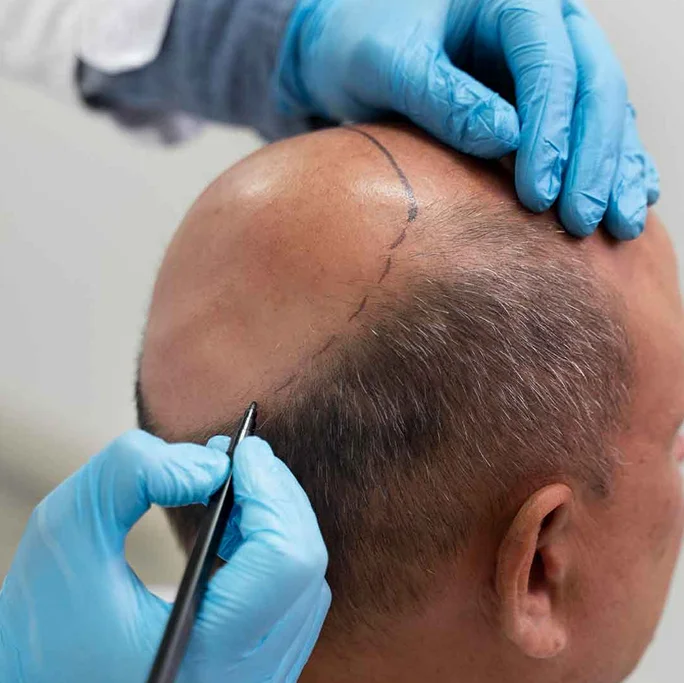
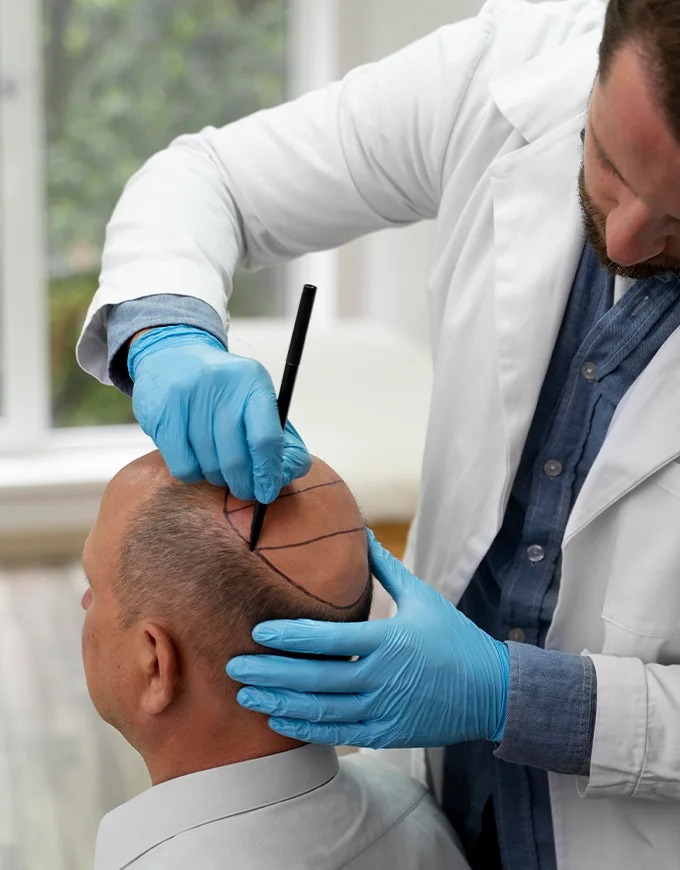
Prioritise natural-looking density that blends with your natural hair through strategic graft placement, correct angulation and hairline planning that matches your age and facial proportions.
Every patient experiences hair loss differently, and the treatment approach should be based on individual Norwood Grade assessment, donor area evaluation, scalp health and long-term hair loss progression. Opt for the treatment best suited for your long-term goals.
Hair Transplant results are directly impacted by post-surgery support, scalp health monitoring, and medical management. Look for clinics that provide dedicated post-surgery support.
Hair loss is progressive, meaning that over time, the extent of thinning and baldness increases. Early consultation allows better donor preservation and more strategic planning.
The success of a hair transplant depends heavily on the surgeon's involvement. Clinics with limited specialist supervision produce unnatural or inconsistent results. Procedures performed by technicians or unlicensed personnel require corrective procedures later.
Postoperative care is a very crucial part of the hair transplant journey. Not adhering to postoperative care instructions affects healing, graft survival and final density.
Early treatment allows for adequate donor density, enabling better graft planning and more predictable results.
A dedicated surgical team with specialist doctors and trained staff ensures quality and patient safety. Outsourced professionals compromise treatment outcomes and introduce inconsistency.
Having realistic expectations about the treatment results at your current hair loss stage is important to reduce the risk of disappointment. It is important to understand that the same results cannot be achieved for two individuals.
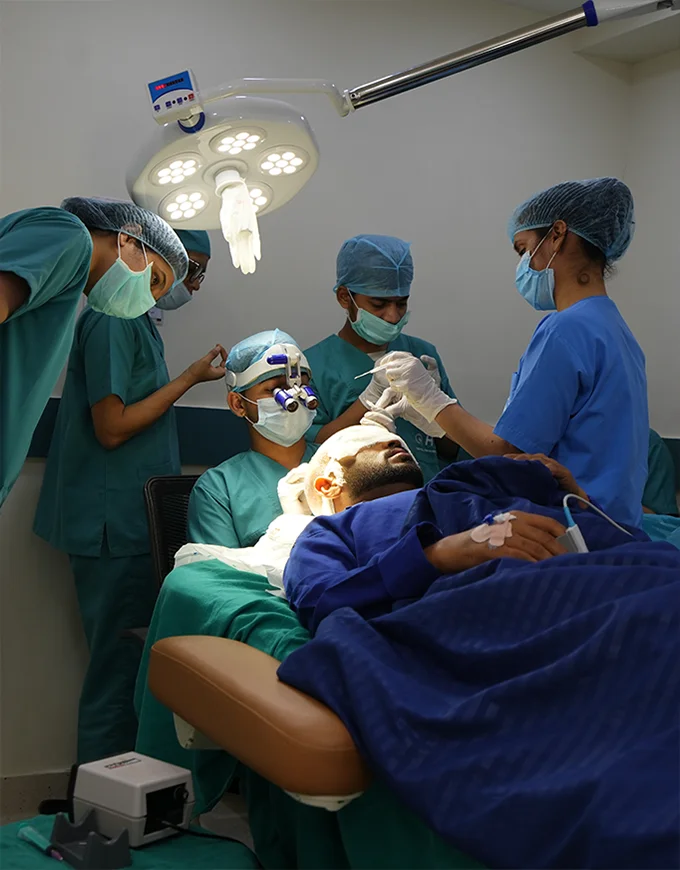
Modern infrastructure with advanced technology, dedicated operating theatre and NABH standard hygiene protocols are a non-negotiable part of hair transplant treatment. This reduces the risk of future complications.
Hair transplant results depend on the extent of baldness, the type of technique used and adherence to post-surgery instructions. Understanding the key factors helps set realistic expectations and supports informed decision-making.
The extent of hair thinning or baldness determines the results that can be achieved after a hair transplant. It determines the technique to be used, the complexity and the number of sessions required to achieve a desired density.
Advanced techniques, FUE & QHT, allow better graft handling and precise extraction at the correct angle and depth, producing natural results. The technique selection, however, depends on individual needs and the Norwood stage of hair loss.
The donor hair from the back and sides of the scalp is transplanted to thinning and balding areas. The amount and health of donor hair impact the coverage and final density.
Experienced surgeons and specialists deliver natural results consistently. Hairline design, crown density planning, and donor area management require expertise and influence the final results.
Graft handling protocols determine the graft survival rate, which further determines the final density. Reducing the out-of-body time of grafts or better graft handling ensures maximum density with transplanted grafts and reduces the need for multiple sessions.
Post-hair transplant care is equally important as the surgical process. Adherence to post-surgery instructions and regular monitoring ensures better treatment outcomes.
Kolkata has emerged as one of Eastern India’s leading destinations for advanced hair restoration. Kolkata is home to several renowned medical institutions and is often referred to as the ” medical capital of Eastern India”. The city offers premium medical services with advanced techniques, world-class infrastructure and cost-effective procedures comparable to Delhi and Mumbai.
Hair transplant procedures are becoming extremely popular across West Bengal and neighbouring states. It is also becoming one of the preferred destinations for medical tourism alongside other major metropolitan cities.
At QHT Clinic Kolkata, we bring the same surgical standards and proprietary QHT technique that have delivered natural, healthier-looking results for more than 15,000 patients across India. Whether you are in South Kolkata, Salt Lake, Howrah or travelling from Siliguri, Assam, or Darjeeling, we provide personalised treatment plans to deliver natural and long-lasting results.
Kolkata’s clinics offer advanced hair transplant techniques with US-FDA-cleared technologies, digital scalp analysis, and NABH-standard patient safety protocols.
Certified hair transplant surgeons who have experience across thousands of surgeries and patient evaluations.
World-class hair transplant treatment plans at a fraction of the global price.
One of the leading Tier 1 medical tourism hubs in India and a preferred destination for hair transplant for both national and international patients.
US-FDA-approved technology
NABH-Accredited
To determine candidacy for hair transplant, a detailed consultation, scalp assessment, and overall health are required. Most individuals experience hair loss at least once throughout their lifetime, and not all of them require transplant surgery. At QHT Kolkata, each patient is evaluated thoroughly before any procedure is recommended.
You are likely a suitable candidate if you:
Kolkata’s heat and humidity can worsen scalp conditions. At QHT Kolkata, candidacy is confirmed only at an in-person consultation, digital scalp assessment, and a review of medical history.
At QHT Kolkata, hair transplant is a structured, carefully planned process managed by a trained team with dedicated roles at every stage of the hair restoration journey. Each process is clearly communicated, and transparency is maintained throughout the procedure about the donor hair availability, grafts needed, and the density that can be achieved.
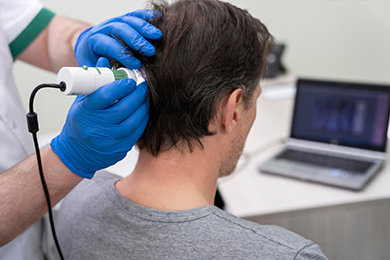
First consultation is flexible and can be in person or via an online video call. The QHT surgeons examine your scalp to determine the stage of hair loss, the number of grafts needed, and evaluate the donor site. Your medical history is also reviewed during the first consultation to curate a personalised treatment plan.
The final treatment quote includes graft count, technique recommendation, and the number of sessions needed to achieve the desired density. The pre-operative planning also includes pre-surgery instructions, blood tests, and hormonal profiles.
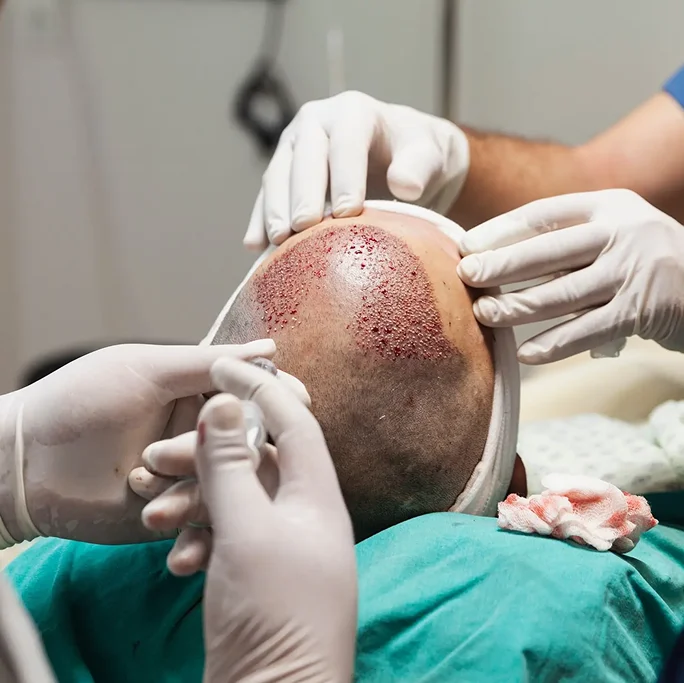
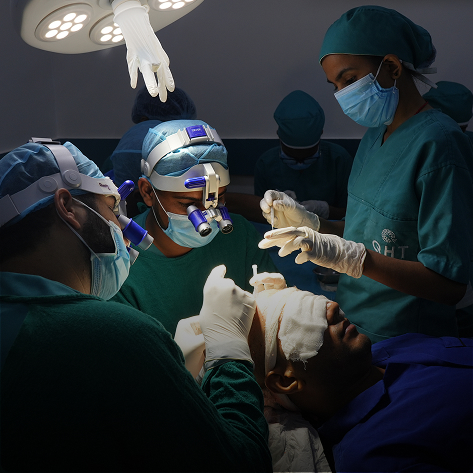
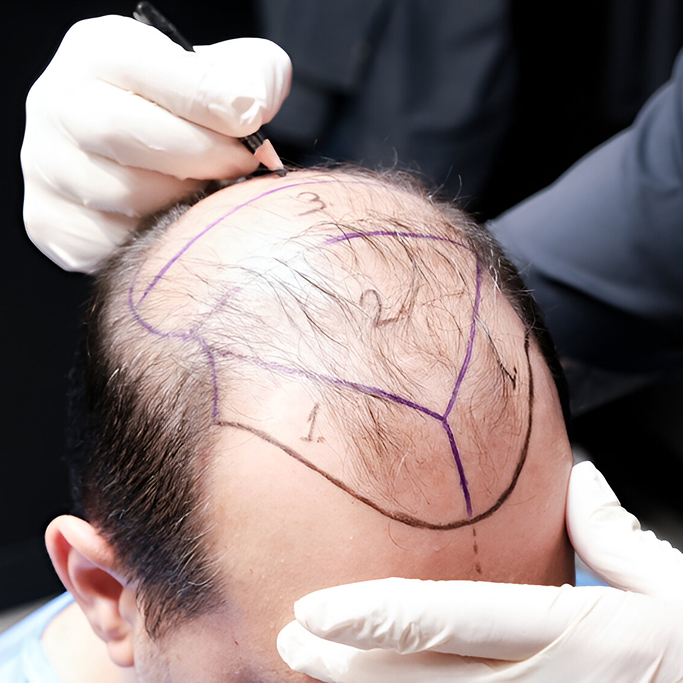
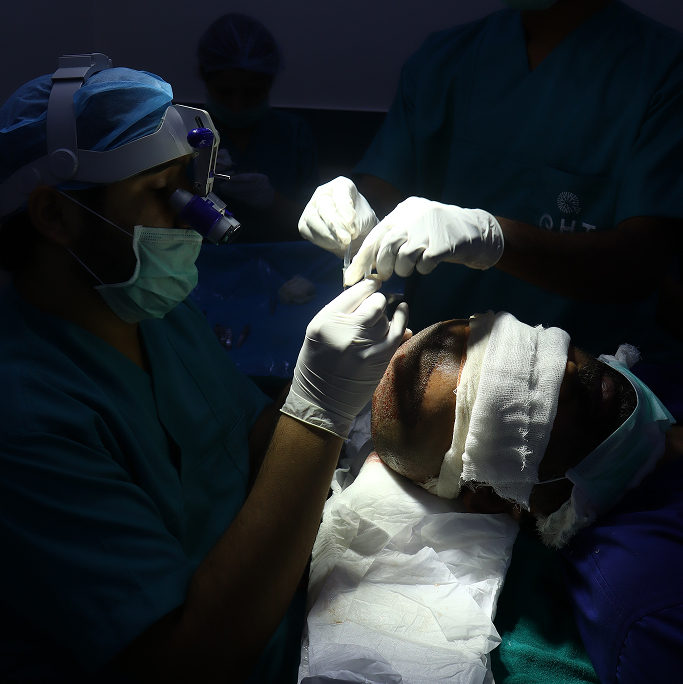
Surgery is conducted under local anaesthesia to ensure a painless, comfortable procedure and can last up to 4-6 hours, depending on the number of grafts to be extracted in a single session and the technique used. Hairline design is confirmed before commencing the surgery, followed by graft extraction and implantation.
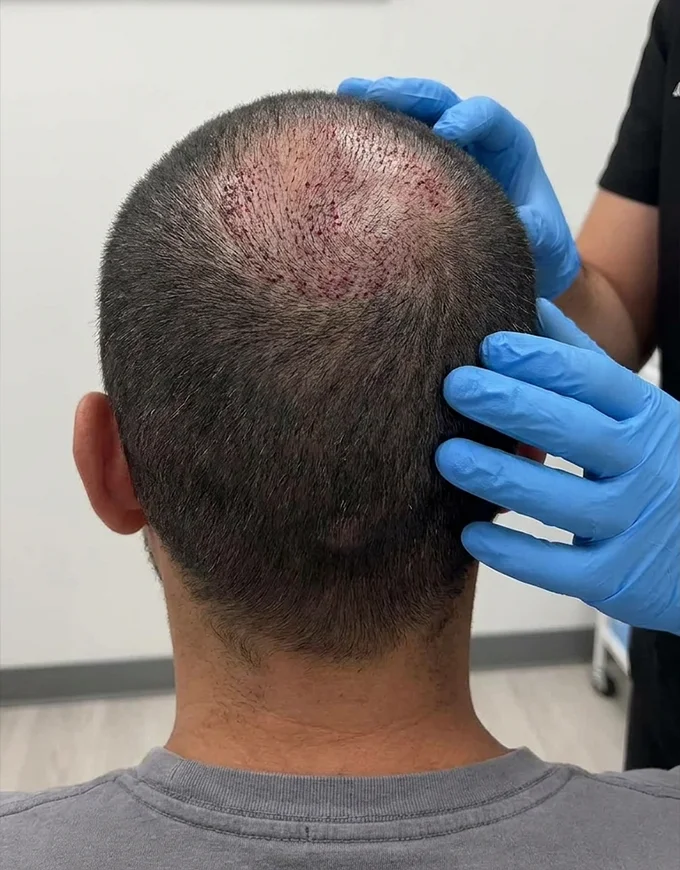
Postoperative instructions and medications are given. Progress is monitored by the dedicated post-surgical care team. Scheduled follow-up appointments are planned to suit the patient’s schedule. QHT’s structured post-surgery support ensures a stress-free, smooth recovery.
Recovery after a hair transplant follows a predictable pattern, and most patients return to their light desk job within 7 to 10 days. With proper care, healing and recovery are straightforward and predictable.
Understanding what happens at each stage allows you to plan your schedule and avoid the decisions that can compromise results in the long run.
Avoid smoking or alcohol consumption 1-2 weeks before and after the surgery. It can affect healing and compromise the final treatment results. Avoid doing any strenuous exercise for the first 3-4 weeks and follow up with your doctor to monitor growth. Your doctor might suggest that some adjunctive therapies are needed to get the desired results.
Kolkata is an accessible location and sits at the centre of a large patient catchment that includes the rest of West Bengal, Odisha, Bihar, Jharkhand and the North-East. It is one of the leading medical hubs offering world-class services at a reasonable price.
Affordable and transparent packages with flexible payment options and seasonal discounts.
The clinics follow NABH safety standards and offer premium services with industry-standard technology.
Internationally trained, ABHRS-certified hair transplant surgeons with a proven record of consistent natural results.
Post-surgical guidance and scheduled follow-ups, so you don’t have to rely on guesswork.
FUT is an extensive surgical method with a strip-harvest approach. A thin strip of scalp containing follicular units is removed from the donor site. These grafts are microdissected under magnification and transplanted into the recipient site. This is the most cost-effective technique and yields the maximum number of grafts in a single session. The technique leaves a thin, fine scar at the donor site, which can be covered by hair.
Best Suited For: individuals with advanced balding requiring a higher number of grafts in a single session for extensive coverage, Norwood Grade 5-7.
Recovery: Approximately 10-14 days for wound healing at the donor site. Suture removal is needed after 10-14 days.
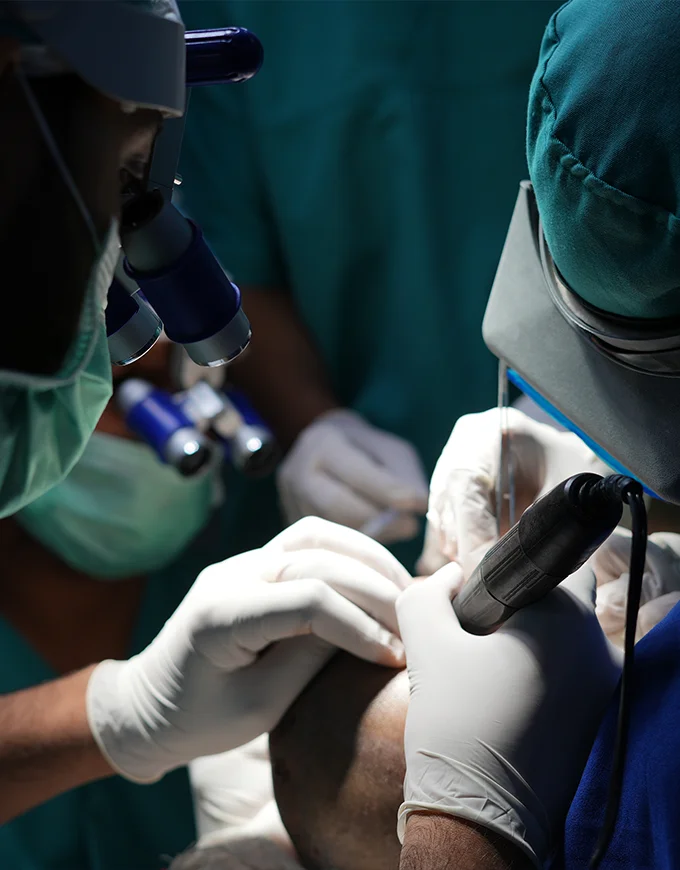
FUE is the gold standard technique globally and is minimally invasive, which means it does not require surgical extraction of a strip of scalp. It uses motorised micropunches to extract follicles from the donor site, which leave tiny dot-like scars at the site. FUE hair transplant in Kolkata is the most commonly used technique for early to moderate hair loss, particularly Norwood grades 2-5.
Best Suited For: Individuals looking for a minimally invasive approach with no scar visibility after healing. It is ideal for patients who like to keep their hair short or have an active lifestyle.
Recovery: Most patients return to work after a week, within 5-7 days.
The QHT technique is the proprietary technique of QHT Clinic, developed by expert hair transplant surgeons at QHT. This technique is built around the principle of reducing the out-of-body time of grafts to enhance survival rates, delivering good coverage with extracted grafts. The grafts are harvested under 10x magnification to select only viable, intact follicles and lower transection rates. Follicles are stored in cold PRP saline to reduce oxidative stress and maintain viability. The out-of-body time of grafts is reduced to less than 2 hours, which delivers graft survival rate of up to 95%. The grafts are then implanted at the correct angles and depth using the SAVA Implanter pen.
Best Suited For: Individuals looking for a higher graft survival rate, denser coverage, and a minimally invasive approach with minimal scarring.
Recovery: 5-7 days, consistent with FUE recovery timelines.
A hair transplant is a permanent surgical procedure involving the extraction of donor hair from the back and sides of the scalp and implantation in the thinning or balding areas. For natural results, each graft should be placed at the correct angle and depth following the direction of natural hair. The results live with you for a lifetime and depend on the quality of the surgical team, the technique applied, graft handling protocols, and post-transplant care.
QHT Clinic commits to each and every case with 5 core principles that include personalised care, safe and sterile procedures, advanced techniques and tools for superior graft survival, long-term results, and transparent pricing.
The clinic is equipped with advanced tools and dedicated operating theatres to ensure patient safety.
Treatment plans are curated by expert surgeons based on your hair loss stage, expectations and medical history.
You pay the quoted price. Full cost breakdown before you commit to the treatment.
Specialised techniques with advanced graft handling protocols to reduce follicular damage and yield maximum results with harvested grafts.
12 months post-surgical support without any additional cost.
QHT Kolkata brings international-standard care and advanced surgical expertise to your own hometown, backed by treatment protocols that have delivered natural-looking results for 15,000+ patients and over 30M+ grafts implanted.
Advanced techniques like QHT and cold PRP saline storage to enhance graft survival rates up to 95%, to give you extensive coverage with extracted grafts.
Personalised age-appropriate hairline design to suit your facial structure, not a generic template for each patient.
Our surgeons have immense experience under their belts with treatments across every stage of hair loss.
Only the best grafts are selected under 10x magnification to prevent damage to native hair follicles.
Donor area preservation to prevent depletion and thinning at the donor site. Strategic graft harvesting to preserve donor hair for future procedures.
We also provide beard transplants, eyebrow restoration, and PRP therapy as other supporting services to Hair transplants in Kolkata.
Reach out anytime or visit us directly for personalized assistance, expert guidance, and seamless support experience.
QHT Clinic, 521, Model Colony, Ranipur More, Haridwar, Uttarakhand.
D -15, Outer Ring Rd, above Federal Bank, Prashant Vihar, Sector 14, Rohini, New Delhi, Delhi, 110085
QHT Clinic Opposite Hotel Park HyattRoad No. 2 Banjara Hills, Hyderabad, Telangana
Nursing Home Bearing plot No 3, Sector 46, Gurugram, Haryana 122022
Here are the most asked questions about Hair Transplant in Kolkata and their detailed answers.
The two essential indicators are age and stability. Most surgeons recommend waiting until you are at least 25 and until your hair loss pattern has not progressed significantly for a minimum of 12 months. Patients who proceed too early, while hair loss is still active, often require a second procedure within a few years to address newly exposed areas.
The final graft count depends on your scalp area to be covered, donor hair density, the hair loss stage, and the technique being used. A specific, written graft count and cost estimate is provided at the consultation because graft requirements vary significantly between patients and can only be accurately determined after a clinical assessment.
Humidity does not affect the surgical outcome, and it does not affect graft integration. Humidity becomes a practical consideration only during the recovery phase, when perspiration can increase scalp itching if the aftercare routine is not properly followed. Your doctor will provide dedicated post-operative guidance for Kolkata’s conditions, covering washing frequency, scalp protection during outdoor exposure, and guidance on managing heat and monsoon conditions in the first two weeks.
No. The scalp is completely numbed with local anaesthesia before any extraction or placement begins. You remain fully awake throughout but feel no cuts, pulls, or pressure during the session. After surgery, mild soreness at the donor site on Days 1 and 2 is normal and fully managed with the prescribed medicines provided at discharge.
The core difference is graft handling time. In standard FUE, the entire batch of grafts is extracted first and placed afterwards, meaning follicles can spend four to six hours outside the scalp before implantation. QHT reduces this to under two hours by coordinating extraction and placement in a managed sequence. Combined with 10× magnification graft selection, cold PRP saline storage during the waiting period, and SAVA implanter control for precise angle and depth, QHT consistently achieves a higher graft survival rate and denser, more natural results.
Avoid travelling long distances immediately after the surgery. Flights or train journeys are best planned after 2 to 3 days, once the swelling has settled. If possible, out-of-city patients should plan to stay in the city for 2-3 days for initial washing and scalp check.
Hair transplant results take time and appear gradually. Transplanted hair sheds in the first few weeks (shock loss). New growth becomes visible around 3–4 months. By 6–8 months, noticeably fuller coverage with natural texture appears. Final results with complete density are visible at 10–12 months post-procedure.